Investasi Resiko Rendah untuk Siapkan Finansial Masa Depan – Pada dasarnya investasi dibagi menjadi tiga kelompok yakni investasi resiko tinggi, sedang, dan rendah. Hanya memang
Read MoreInvestasi Resiko Rendah untuk Siapkan Finansial Masa Depan

Investasi Resiko Rendah untuk Siapkan Finansial Masa Depan – Pada dasarnya investasi dibagi menjadi tiga kelompok yakni investasi resiko tinggi, sedang, dan rendah. Hanya memang
Read MoreInvestasi Resiko Rendah untuk Siapkan Finansial Masa Depan
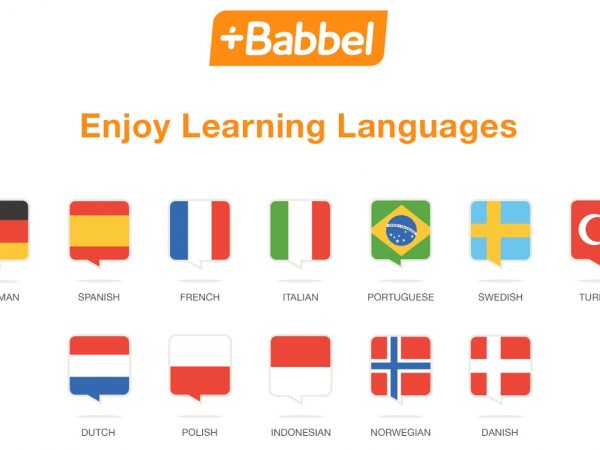
7 Aplikasi Terbaik untuk Belajar Bahasa Asing – Memiliki kemampuan menguasai lebih dari satu bahasa akan menjadi nilai plus bagi perkembangan karir Anda. Saat ini,
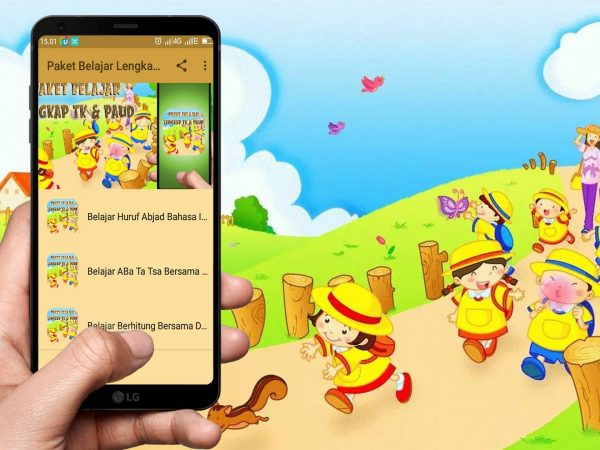
Aplikasi Untuk Edukasi Yang Penting Buat Anak Anda – Pendidikan tentu saja penting bagi siapa saja. Bahkan hal ini harus dilakukan sejak dini. Pendidikan tidak

Aplikasi Belajar Online Google Classroom – Google classroom merupakan sebuah aplikasi yang dibuat untuk mengadakan kegiatan belajar secara online. Tujuan dari aplikasi ini sederhana yaitu